A UK startup barely two years old has just pulled off the largest Series C in European history. Nscale raised $2 billion this month, valuing the AI infrastructure company at $14.6 billion. More notable than the numbers: the board it assembled to help spend them.
The Numbers
Norwegian energy conglomerate Aker ASA and investment firm 8090 Industries led the round. Nvidia, Dell Technologies, Lenovo, Citadel, and Point72 also participated. The valuation represents a staggering climb for a company that launched in 2024 and raised its $155 million Series A just last year.
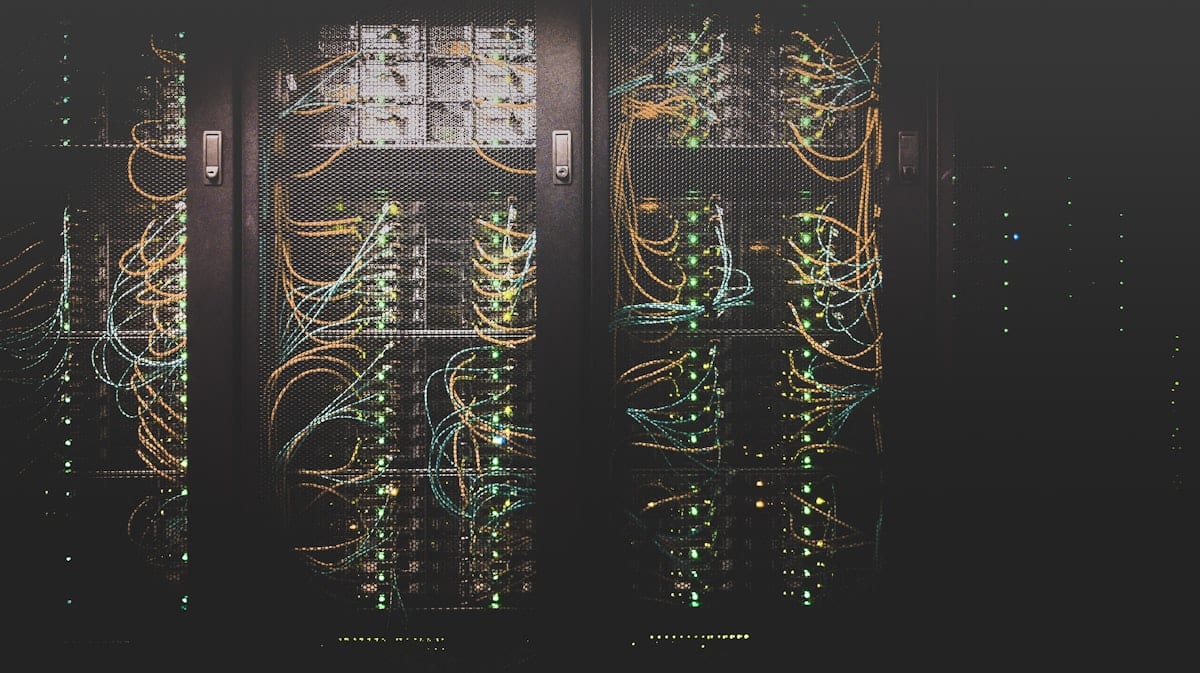
Nscale builds and operates AI data centers, the compute infrastructure that trains and runs large language models. The company’s selling point is combining cheap Nordic hydropower with proximity to European customers and talent.
The Board
Here’s where things get interesting. Three former Meta executives are joining Nscale’s board:
- Sheryl Sandberg, Meta’s former COO who built its advertising machine
- Nick Clegg, former UK deputy prime minister and Meta’s global affairs chief until early 2025
- Susan Decker, former Yahoo president
This is a concentrated dose of Big Tech operational and regulatory experience landing at a startup that will need both. Running data centers at scale is an operational nightmare. Getting them permitted and powered across multiple jurisdictions is a regulatory one.
The Norway Play
Nscale’s flagship project is “Stargate Norway,” a data center complex in the Arctic port town of Narvik. The location offers abundant hydropower, cold air for cooling, and surprisingly good transmission capacity despite its small population.
Microsoft, Nscale, and Aker have committed an estimated $6.2 billion to build out AI infrastructure in Narvik. Nscale plans to run 100,000 Nvidia GPUs there by end of 2026, with OpenAI as an initial customer.
The strategy is straightforward: AI training and inference demand enormous electricity. Nordic hydropower is cheap and renewable. European companies increasingly want to keep data on-continent. Nscale sits at the intersection.
The Origin Story
Josh Payne, Nscale’s founder and CEO, took an unconventional path. Before AI infrastructure, he worked in Australian coal mines, then built a construction recruitment platform, then moved into renewable energy investing and crypto mining.
The Nscale story reportedly began with a LinkedIn message to Aker CEO Øyvind Eriksen, pitching a partnership on renewable-powered compute. That cold outreach turned into an anchor investment and access to Norwegian energy resources.
Who Wins, Who Loses
Winners:
- European AI ambitions. The continent has complained about falling behind the US and China in AI infrastructure. Nscale’s raise and the Sandberg-Clegg hires signal that Europe can attract capital and talent for the hard infrastructure layer.
- Nvidia. Every new data center deployment means more GPU sales. Nvidia’s investment in Nscale is essentially customer development.
- Norway. A small port town is becoming an AI hub, bringing jobs and infrastructure investment.
Losers:
- Big Tech’s moat. When former Meta executives scatter to infrastructure startups, it suggests the competitive advantages of running your own data centers may be eroding. If Nscale can offer comparable compute, the hyperscalers’ lock-in weakens.
- Fossil fuel grid dependence. More AI infrastructure running on renewables shifts the balance away from natural gas-powered data centers, though the net impact depends on how much new demand Nscale creates versus displaces.
The $14.6 billion valuation is rich for a pre-revenue infrastructure company. But if AI compute demand continues its trajectory, the bet is that building in cheap-power locations with experienced operators and well-connected boards will pay off. The Meta alumni landing here suggests some smart people agree.