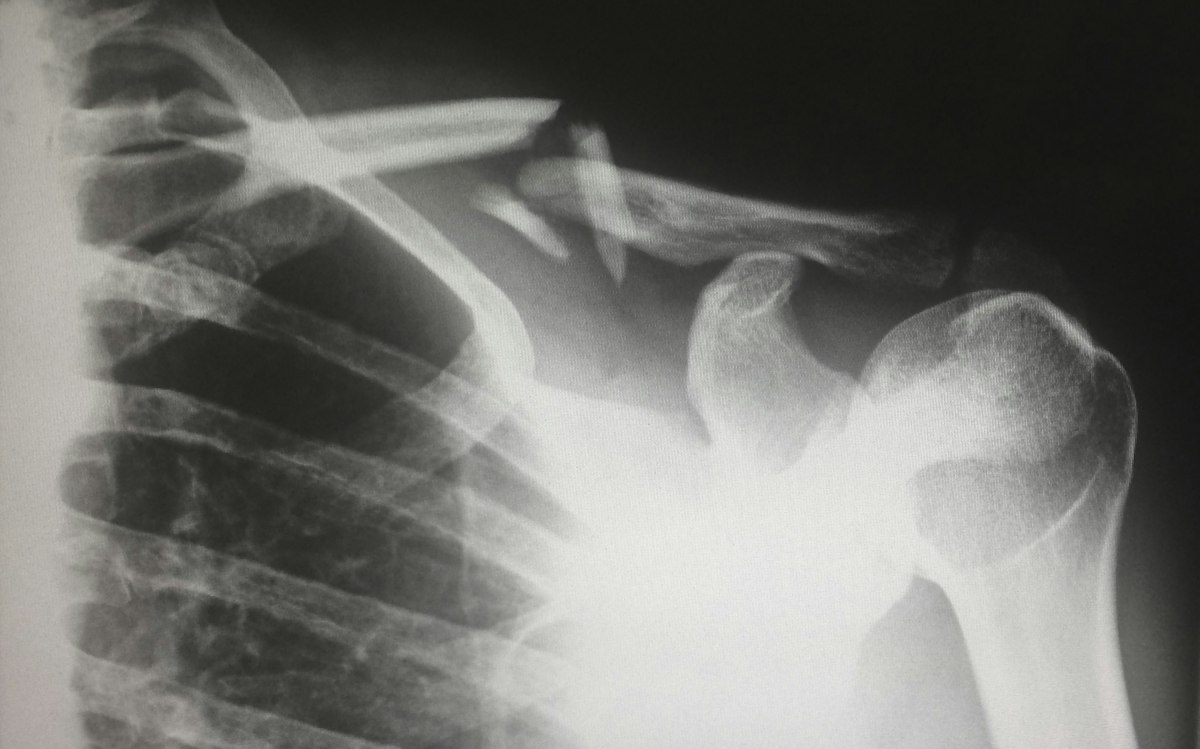
The FDA has granted Breakthrough Device designation to the first generative AI system designed to write preliminary radiology reports. Cognita CXR, developed by Radiology Partners’ AI unit, uses a vision-language model to analyze chest x-rays and generate draft findings for radiologist review.
The designation, announced March 5, gives Cognita prioritized FDA interaction and could accelerate clearance for a technology that approaches radiology fundamentally differently than existing AI tools.
What Makes This Different
Most radiology AI systems work like sophisticated detection algorithms. They flag individual findings — “possible nodule here” or “opacity in left lung” — leaving radiologists to synthesize everything into a coherent report.
Cognita CXR generates the full preliminary report. The vision-language model examines the entire x-ray and produces comprehensive findings that integrate directly into clinical workflows. Licensed radiologists then review and finalize the AI-generated text before it reaches the patient record.
It’s a subtle but significant shift. Instead of AI as a second set of eyes catching individual abnormalities, this positions AI as a first-draft writer handling the initial interpretation.
The Numbers
Mosaic Clinical Technologies, Cognita’s parent company, published internal validation results showing meaningful improvements:
- Detection improvements: Radiologists using Cognita CXR achieved 16% to 65% better detection of significant findings, depending on the specific condition.
- Efficiency gains: Average interpretation efficiency improved by 18% for participating radiologists.
These are internal figures, not independent validation, but they’re specific enough to suggest the company has done real measurement.
Why Breakthrough Designation Matters
The FDA’s Breakthrough Device program exists for technologies that address serious conditions where no adequate alternatives exist. For Cognita, the rationale is the radiology capacity crisis — there aren’t enough radiologists to meet demand, and the shortage is projected to worsen.
Dr. Nina Kottler, Chief Medical AI Officer at Mosaic, framed it bluntly: the designation “reflects the urgency of the capacity crisis in radiology and the pressing need for trustworthy AI solutions to expand access to quality healthcare.”
Breakthrough status doesn’t guarantee approval, but it does mean faster reviews and closer FDA collaboration during development. For a technology this novel — generative AI writing medical reports — that ongoing dialogue could prove valuable.
The Technical Challenge
Cognita’s co-founder and CEO, Dr. Louis Blankemeier, pointed to the complexity involved: medical images can contain “up to 1 billion pixels” of diagnostically relevant information. Compressing that into accurate, actionable text requires both visual understanding and medical knowledge.
The company is already working on expanding beyond chest x-rays to all x-ray types and 3D CT imaging across all anatomies. Those applications would dramatically increase the potential impact — and the regulatory scrutiny.
What This Means
Radiology has been one of AI’s most successful medical applications, with over 1,100 FDA-cleared AI devices focused on imaging. But nearly all of them assist radiologists rather than generating output directly.
Cognita represents a different model: AI as the initial interpreter, with humans in the verification role. That’s closer to how AI coding assistants work — generating drafts for expert review — than traditional medical decision support.
If the model proves safe and effective through FDA review, it could reshape radiologist workflows. Doctors would spend less time on initial interpretation and more time on verification, complex cases, and patient consultation.
The Fine Print
Several caveats apply. The validation data is internal, from “participating radiologists” whose selection criteria aren’t described. The detection improvement range (16-65%) is wide enough to suggest significant variability across conditions or users.
Breakthrough designation is not clearance. The actual FDA review process will require substantially more evidence, likely including prospective clinical trials comparing AI-assisted interpretation to standard practice.
And the question of liability remains open. When AI writes the first draft and a radiologist signs off on an error, who bears responsibility? That’s a question for lawyers, insurers, and regulators that technological capability alone won’t answer.
Still, the designation marks a meaningful step. The FDA is taking generative AI in radiology seriously enough to expedite its review — recognition that the technology has moved beyond theoretical possibility into practical application.