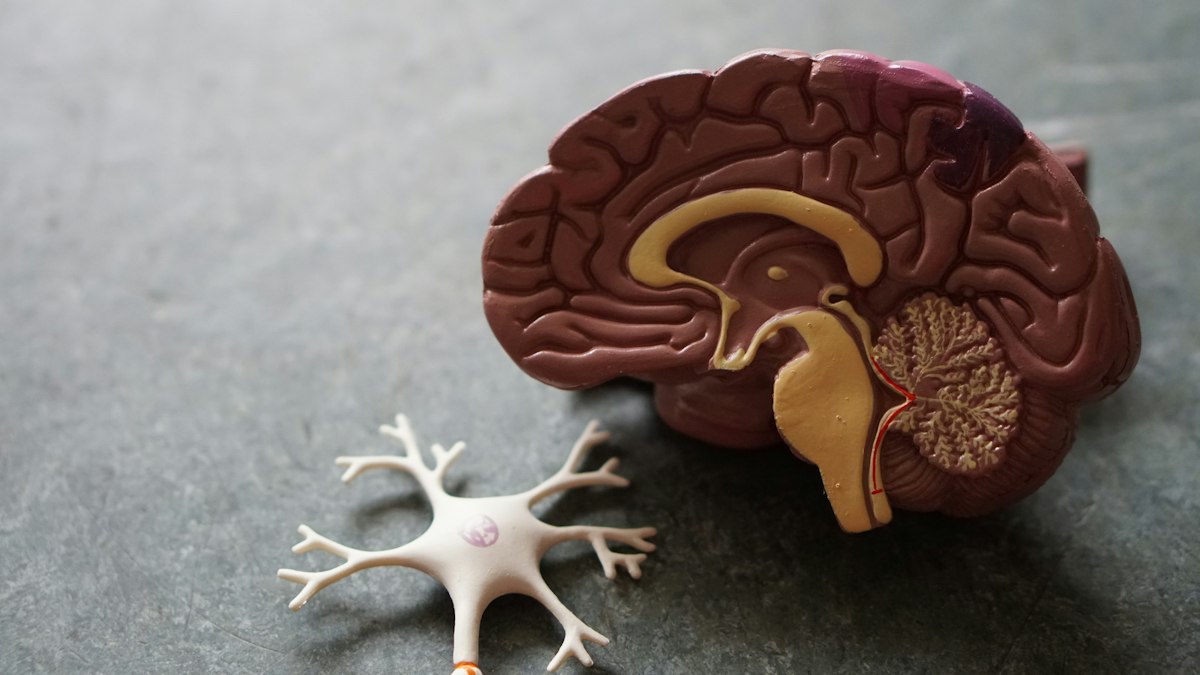
China’s National Medical Products Administration has granted commercial approval to Neuracle Medical Technology for an invasive brain-computer interface (BCI), making it the first brain implant in the world available for use outside clinical trials.
The March 13 approval covers adult patients aged 18 to 60 who are partially paralyzed due to spinal cord injury. To qualify, patients must have received their diagnosis at least one year ago and been in stable condition for six months following treatment.
How the Device Works
Neuracle’s BCI consists of a coin-sized wireless implant that sits on the surface of the brain’s outer membrane—it does not penetrate brain tissue. The device records electrical signals from neurons, which software decodes and translates into commands for external devices.
In clinical trials, the implant controlled a robotic glove, helping patients improve their ability to hold and grab objects. The system essentially bypasses the damaged spinal cord, creating a direct pathway from brain signals to mechanical movement.
Beating Neuralink to Market
The approval puts China ahead of the United States in the BCI commercialization race. No brain-computer interface devices have been approved for commercial use in the U.S. Elon Musk’s Neuralink, the highest-profile American competitor, remains in clinical trials with 21 participants as of January 2026.
Neuracle, founded in 2011 by Xu Honglai (PhD in biomedical engineering from Tsinghua University), is now launching an IPO on the Shanghai Stock Exchange’s Star Market with Citic Securities.
The company faces domestic competition too. StairMed Technology, another Chinese firm, has developed an implant requiring only a 3mm to 5mm hole in the skull, featuring ultra-flexible neural electrodes that are reportedly one-fifth the size of Neuralink’s and hundreds of times softer.
What This Means
China has declared its intent to develop “two or three” globally competitive players in the BCI sector by 2030. This approval is the first concrete step toward that goal.
For patients with spinal cord injuries, the technology offers a path to restored hand function without invasive brain tissue penetration. The surface-mounted approach may reduce surgical risks compared to penetrating electrode systems.
The commercial availability—rather than continued trial-only access—means pricing, insurance coverage, and real-world outcomes will now become measurable. Whether the technology delivers its clinical trial promise at scale remains the next question.
The Fine Print
Clinical trial data for Neuracle’s specific device—including patient numbers and detailed efficacy statistics—has not been publicly disclosed. The approval covers only patients with partial paralysis who retain some upper arm function, not those with complete spinal cord injuries.
The device controls a robotic glove, not direct limb movement. Patients will need the external hardware in addition to the implant.
As with any first-generation medical device, long-term reliability, durability of the implant, and potential complications over years of use are unknowns that only post-market surveillance will reveal.