Shield AI just became one of the most valuable defense startups in the world. The San Diego company raised $2 billion in Series G funding at a $12.7 billion valuation — more than double its $5.6 billion price tag from just 12 months ago.
The round attracted heavyweight institutional investors: private equity giant Advent International and JPMorgan Chase’s Security and Resiliency Initiative co-led the equity portion, while Blackstone added $500 million in preferred equity financing. Other participants include Snowpoint Ventures, InnovationX, Riot Ventures, Disruptive, and Apandion.
What’s driving the valuation surge? Combat experience.
Drones in Active Combat
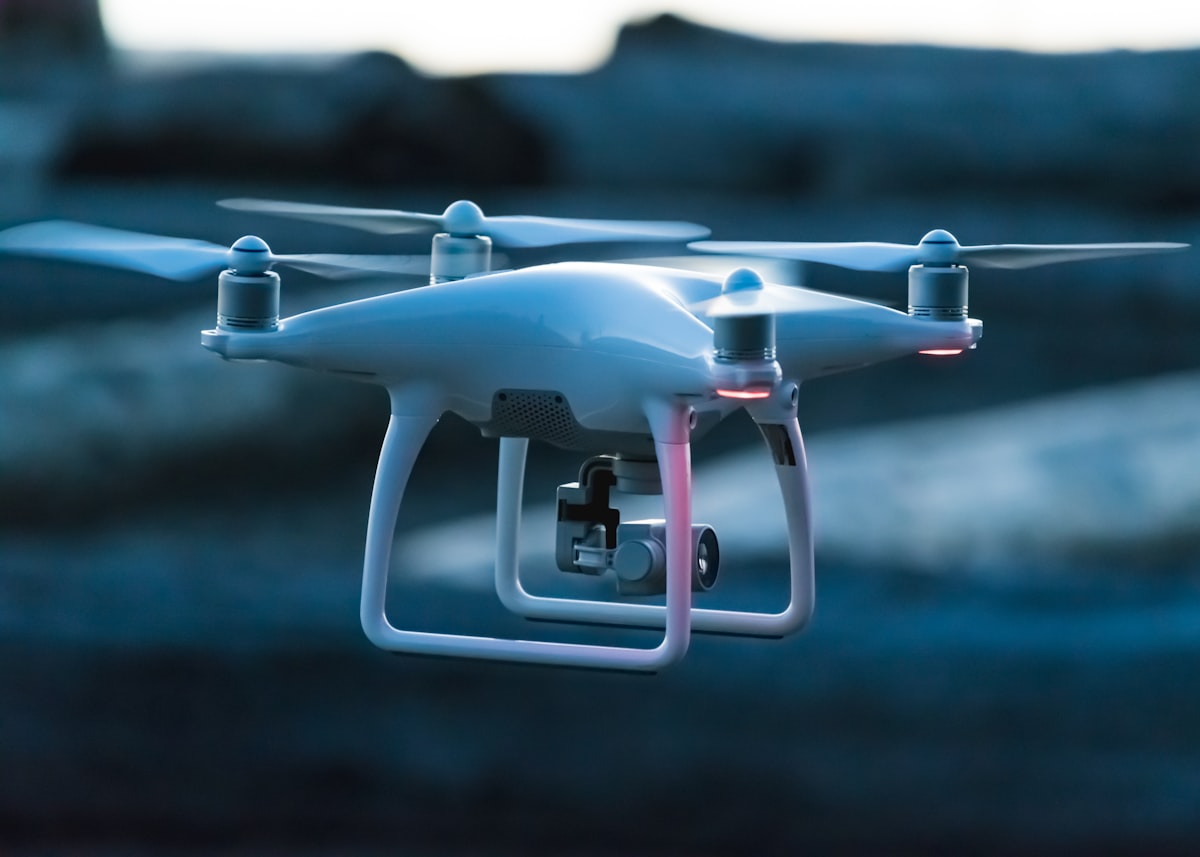
Shield AI’s V-BAT surveillance drones are already deployed in Ukraine, providing intelligence to Ukrainian forces. The company also has operations across other conflict zones globally, giving it something few AI companies can claim: real-world validation under fire.
The company is using part of the new funding to acquire Aechelon Technology, which builds tactical simulation systems for training U.S. military pilots. Aechelon’s CEO Nacho Sanz-Pastor will lead the combined simulation unit under Shield AI CEO Gary Steele.
The Hivemind Platform
At the core of Shield AI’s business is Hivemind, an autonomy software platform that can control swarms of aircraft — manned or unmanned — without GPS, communications, or human intervention. It’s the kind of technology militaries increasingly want as they prepare for conflicts where GPS can be jammed and communications disrupted.
The company is also developing X-BAT, a new combat drone scheduled for its first test flight by the end of 2026. And it recently secured a contract to provide software for Anduril’s Fury fighter jet program with the U.S. Air Force — a deal that reportedly drove much of the valuation increase.
Revenue Growth
Shield AI is projecting more than 80% revenue growth in 2026, which would put full-year revenue above $540 million. That’s substantial for a defense startup, though still far below the revenue multiples that consumer AI companies command.
“We don’t expect growth to slow down,” cofounder and president Brandon Tseng said.
The board is adding firepower too: David Mussafer, chairman of Advent International, joins as a director, while Todd Combs from JPMorgan takes a board observer seat.
The Defense AI Land Grab
Shield AI’s mega-round reflects the broader rush of capital into defense technology. Investors who once avoided military applications are now competing to fund autonomous systems, AI-powered logistics, and surveillance platforms.
The reasoning is straightforward: governments are spending. The U.S. defense budget topped $886 billion in fiscal 2024, and allied nations are boosting their own military spending in response to conflicts in Ukraine and the Middle East. AI autonomy is a priority — the Pentagon has explicitly stated it wants autonomous systems that can operate in GPS-denied environments.
For investors, defense AI offers something rare in the current market: paying customers with multi-year contracts and budgets that don’t depend on VC sentiment.
Who Wins, Who Loses
Winners:
- Shield AI — Validated by combat deployment, now has capital to scale production and acquire strategic assets
- Defense tech investors — The sector is producing returns that general AI investment often promises but rarely delivers
- U.S. military — Gets access to commercial innovation without bearing full development risk
Losers:
- Competitors — Anduril, Skydio, and others face a well-funded rival with proven technology
- Those hoping AI would stay peaceful — The line between consumer and military AI continues to blur
- Export control hawks — As defense AI companies grow, pressure to loosen export restrictions will increase
The defense AI race is accelerating. Shield AI’s $12.7 billion valuation proves that investors believe autonomous weapons and surveillance systems aren’t just viable — they’re the future of warfare.