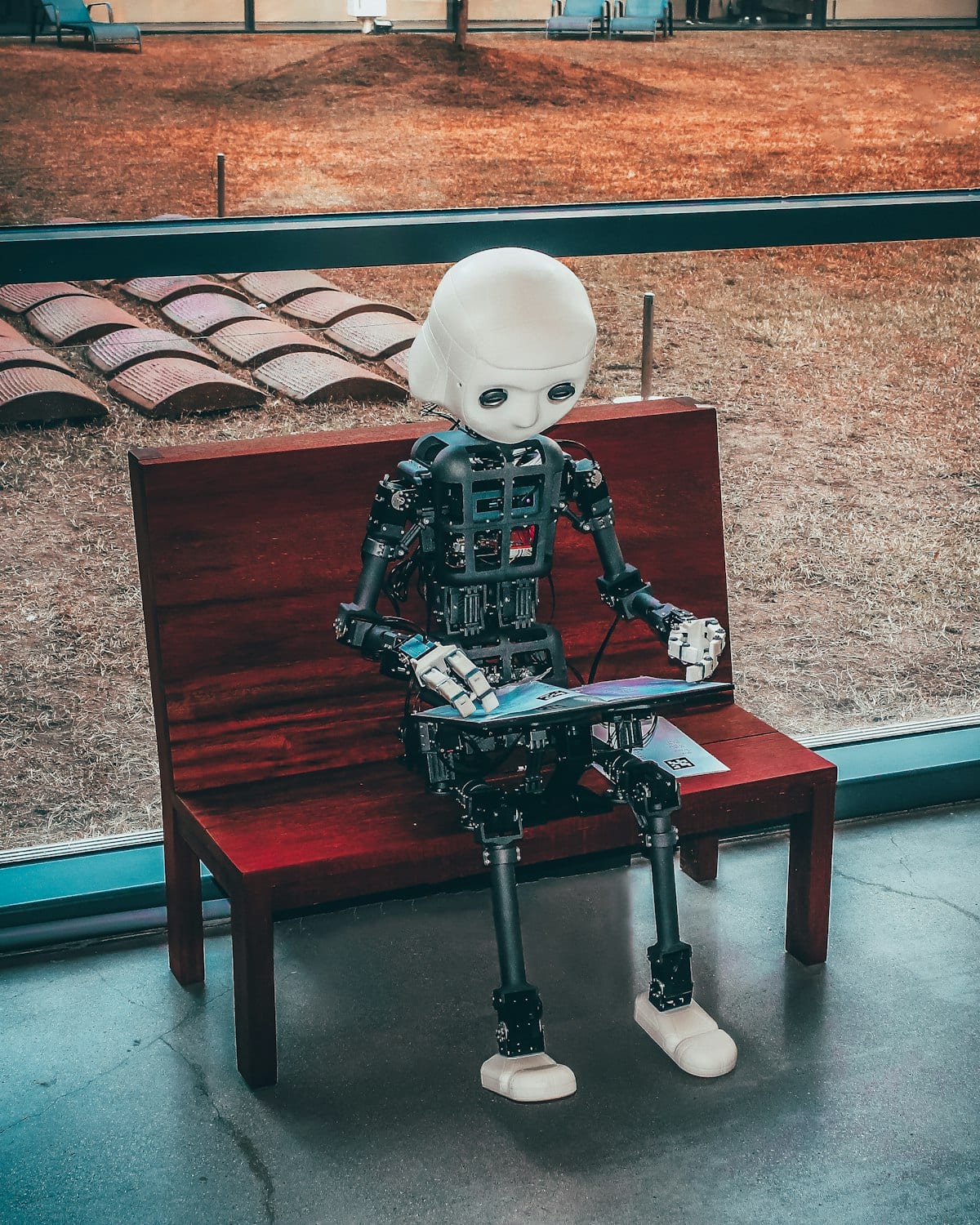
The 'AI Coworker' Trap: Managers Catch 18% Fewer Errors
Calling an AI an 'AI employee' made 1,261 managers miss 18% more errors and push 44% more questionable work upward. The 'coworker' framing is a safety issue.
Tag
Calling an AI an 'AI employee' made 1,261 managers miss 18% more errors and push 44% more questionable work upward. The 'coworker' framing is a safety issue.
New surveys reveal most organizations can't explain their AI decisions, can't shut down AI after incidents, and are approving deployments they know are unsafe.
We tracked the boldest AI predictions from November-December 2025 and scored them against April 2026 reality. The agents didn't show up. The jobs did disappear.
ISACA's survey of 3,400 digital trust professionals reveals most organizations don't know how fast they could shut down AI after a security incident. One in five don't know who's responsible if AI causes harm.
We tracked the boldest AI predictions from October 2025 and scored them against April 2026 reality. Spoiler: the crystal balls are still broken.
We tracked the boldest AI predictions from September 2025. Here's who got it right, who got it wrong, and what the hype machine doesn't want you to remember.
88% of organizations report AI agent security incidents. Only 14% deploy agents with full security approval. When autonomous systems cause harm, traditional accountability breaks down.
ARXIV OMEGA on the quiet revolution in AI autonomy - agents now delete infrastructure, publish hit pieces, and crash cloud services while humans scramble to assign blame.
We tracked the boldest AI predictions from September 2025. Here's what actually happened.
Dario Amodei said 90% of code would be AI-written by September. Elon Musk said AGI would arrive in 2025. The World Economic Forum predicted 85 million jobs displaced. Time to check the receipts.