The FCC's Foreign Robot Ban Will Hit US Research Hard
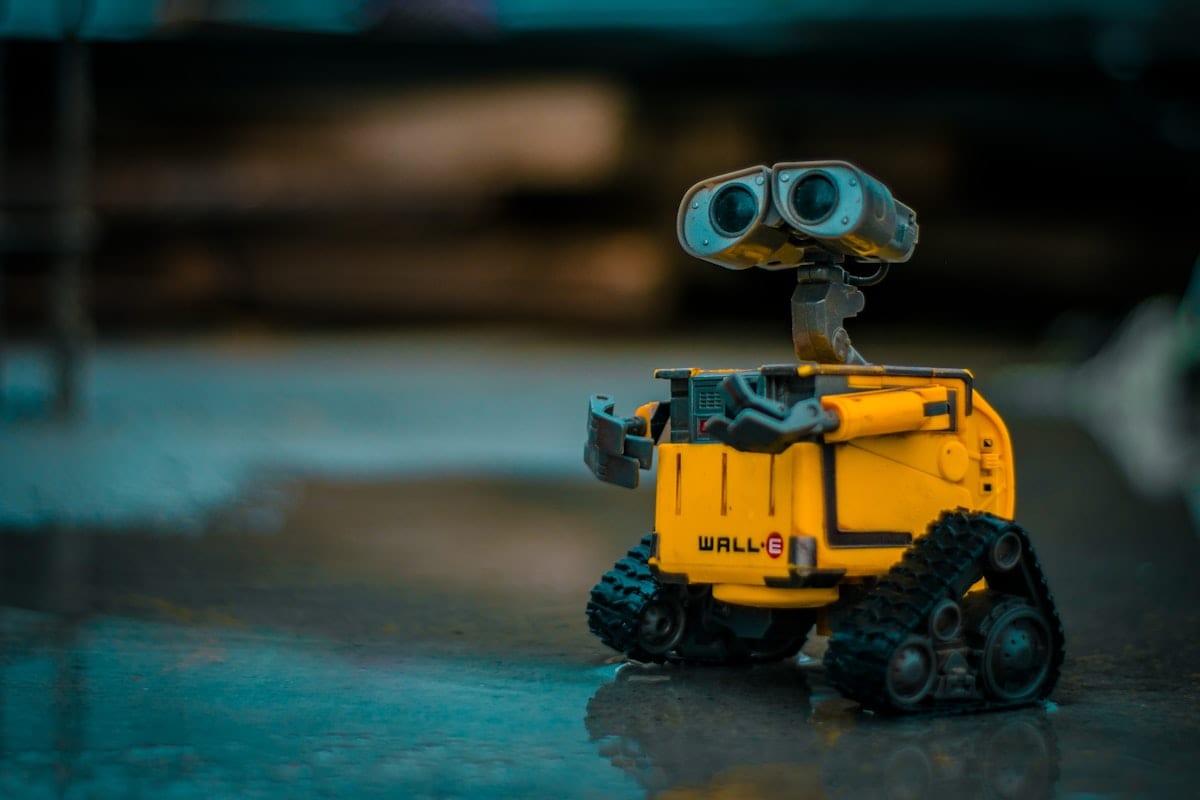
An FCC rule puts foreign humanoids, quadrupeds, and wheeled robots on the Covered List. Most US university robotics labs rely on Unitree. The bill is due now.
Tag
An FCC rule puts foreign humanoids, quadrupeds, and wheeled robots on the Covered List. Most US university robotics labs rely on Unitree. The bill is due now.
GLM-5.1 becomes the first open-weight model to top SWE-Bench Pro. The gap between open and proprietary AI is now just three months.
Hugging Face's Spring 2026 report reveals China now leads in AI model downloads, robotics datasets jumped 2,200%, and open-weight models are achieving 10x-1000x cost advantages.
The two-year-old robotics startup would double its valuation in four months as foundation model approach gains investor confidence.
Skild AI, Physical Intelligence, Mind Robotics, Rhoda AI, and Sunday collectively raise billions as investors bet foundation models will crack physical AI.
In the span of five days, Amazon acquired both RIVR (quadruped delivery robots) and Fauna Robotics (humanoid robots). The message: the future of Amazon involves a lot more robots.
Four startups raised over $3 billion combined, signaling a decisive shift in where AI investment is flowing.
Jensen Huang's keynote today marks Nvidia's biggest pivot in years - from training chips to inference, from cloud to edge, and from prompts to autonomous agents
Two studies in Science Robotics show robots performing gallbladder removal and laparoscopic tasks autonomously, trained by watching surgeon videos.
Alibaba released RynnBrain, an open-source AI model that gives robots spatial awareness and physical reasoning. It beats Google and Nvidia on 16 benchmarks while running on just 3 billion active parameters.
Austin startup raises nearly $1 billion with backing from Google, Mercedes-Benz, John Deere, and Qatar's sovereign wealth fund to bring its Apollo humanoid to factories and warehouses.
JPL used Anthropic's Claude to plot a 456-meter route across Jezero Crater. It wrote the commands in Rover Markup Language, identified hazards with 98.4% accuracy, and cut planning time in half.